
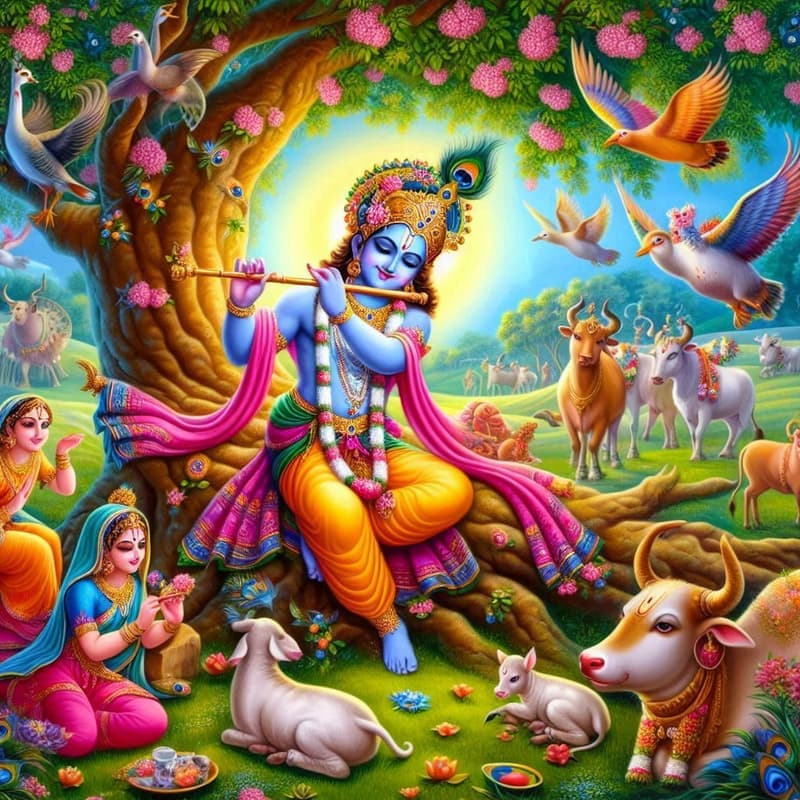
Home/Temples/Gita Abhyasam
🪕 Shrimad Bhagavad Gita Abhyasam

सांख्ययोग

Chapter 2 · Sankhya Yoga

The Yoga of Knowledge · 72 Shlokas

Krishna begins His teaching, revealing the immortality of the soul (atman), which is never born and never dies. He explains duty (svadharma), the futility of grief, and describes the sthitaprajna — the sage of steady wisdom who has mastered the senses and rests in peace.

☰ All 18 Chapters← Temple Activities
श्लोक 2.1

सञ्जय उवाच तं तथा कृपयाऽविष्टमश्रुपूर्णाकुलेक्षणम्। विषीदन्तमिदं वाक्यमुवाच मधुसूदनः

ಕನ್ನಡ · Kannada

ಸಞ್ಜಯ ಉವಾಚ ತಂ ತಥಾ ಕೃಪಯಾಽವಿಷ್ಟಮಶ್ರುಪೂರ್ಣಾಕುಲೇಕ್ಷಣಮ್। ವಿಷೀದನ್ತಮಿದಂ ವಾಕ್ಯಮುವಾಚ ಮಧುಸೂದನಃ

How to read it

sañjaya uvācha taṁ tathā kṛipayāviṣhṭamaśhru pūrṇākulekṣhaṇam viṣhīdantamidaṁ vākyam uvācha madhusūdanaḥ

📖 Meaning

Sanjaya said: To him, who was thus overcome with pity, despondent, with eyes full of tears and agitated, Madhusudana (the destroyer of Madhu) or Krishna spoke these words.

श्लोक 2.2

श्री भगवानुवाच कुतस्त्वा कश्मलमिदं विषमे समुपस्थितम्। अनार्यजुष्टमस्वर्ग्यमकीर्तिकरमर्जुन

ಕನ್ನಡ · Kannada

ಶ್ರೀ ಭಗವಾನುವಾಚ ಕುತಸ್ತ್ವಾ ಕಶ್ಮಲಮಿದಂ ವಿಷಮೇ ಸಮುಪಸ್ಥಿತಮ್। ಅನಾರ್ಯಜುಷ್ಟಮಸ್ವರ್ಗ್ಯಮಕೀರ್ತಿಕರಮರ್ಜುನ

How to read it

śhrī bhagavān uvācha kutastvā kaśhmalamidaṁ viṣhame samupasthitam anārya-juṣhṭamaswargyam akīrti-karam arjuna

📖 Meaning

The Blessed Lord said, "From whence has this perilous strait come upon you, this dejection which is unworthy of you, disgraceful, and which will close the gates of heaven upon you, O Arjuna?"

श्लोक 2.3

क्लैब्यं मा स्म गमः पार्थ नैतत्त्वय्युपपद्यते। क्षुद्रं हृदयदौर्बल्यं त्यक्त्वोत्तिष्ठ परन्तप

ಕನ್ನಡ · Kannada

ಕ್ಲೈಬ್ಯಂ ಮಾ ಸ್ಮ ಗಮಃ ಪಾರ್ಥ ನೈತತ್ತ್ವಯ್ಯುಪಪದ್ಯತೇ। ಕ್ಷುದ್ರಂ ಹೃದಯದೌರ್ಬಲ್ಯಂ ತ್ಯಕ್ತ್ವೋತ್ತಿಷ್ಠ ಪರನ್ತಪ

How to read it

klaibyaṁ mā sma gamaḥ pārtha naitat tvayyupapadyate kṣhudraṁ hṛidaya-daurbalyaṁ tyaktvottiṣhṭha parantapa

📖 Meaning

Do not yield to impotence, O Arjuna, son of Pritha. It does not befit you. Cast off this mean weakness of the heart! Stand up, O conqueror of foes!

श्लोक 2.4

अर्जुन उवाच कथं भीष्ममहं संख्ये द्रोणं च मधुसूदन। इषुभिः प्रतियोत्स्यामि पूजार्हावरिसूदन

ಕನ್ನಡ · Kannada

ಅರ್ಜುನ ಉವಾಚ ಕಥಂ ಭೀಷ್ಮಮಹಂ ಸಂಖ್ಯೇ ದ್ರೋಣಂ ಚ ಮಧುಸೂದನ। ಇಷುಭಿಃ ಪ್ರತಿಯೋತ್ಸ್ಯಾಮಿ ಪೂಜಾರ್ಹಾವರಿಸೂದನ

How to read it

arjuna uvācha kathaṁ bhīṣhmam ahaṁ sankhye droṇaṁ cha madhusūdana iṣhubhiḥ pratiyotsyāmi pūjārhāvari-sūdana

📖 Meaning

Arjuna said, "O Madhusudana, how can I fight in battle with arrows against Bhishma and Drona, who are worthy of being worshipped, O destroyer of enemies?"

श्लोक 2.5

गुरूनहत्वा हि महानुभावान् श्रेयो भोक्तुं भैक्ष्यमपीह लोके। हत्वार्थकामांस्तु गुरूनिहैव भुञ्जीय भोगान् रुधिरप्रदिग्धान्

ಕನ್ನಡ · Kannada

ಗುರೂನಹತ್ವಾ ಹಿ ಮಹಾನುಭಾವಾನ್ ಶ್ರೇಯೋ ಭೋಕ್ತುಂ ಭೈಕ್ಷ್ಯಮಪೀಹ ಲೋಕೇ। ಹತ್ವಾರ್ಥಕಾಮಾಂಸ್ತು ಗುರೂನಿಹೈವ ಭುಞ್ಜೀಯ ಭೋಗಾನ್ ರುಧಿರಪ್ರದಿಗ್ಧಾನ್

How to read it

gurūnahatvā hi mahānubhāvān śhreyo bhoktuṁ bhaikṣhyamapīha loke hatvārtha-kāmāṁstu gurūnihaiva bhuñjīya bhogān rudhira-pradigdhān

📖 Meaning

Better it is, indeed, in this world to accept alms than to slay the most noble teachers. But if I were to kill them, even in this world, all my enjoyments of wealth and fulfilled desires would be stained with their blood.

श्लोक 2.6

न चैतद्विद्मः कतरन्नो गरीयो यद्वा जयेम यदि वा नो जयेयुः। यानेव हत्वा न जिजीविषाम स्तेऽवस्थिताः प्रमुखे धार्तराष्ट्राः

ಕನ್ನಡ · Kannada

ನ ಚೈತದ್ವಿದ್ಮಃ ಕತರನ್ನೋ ಗರೀಯೋ ಯದ್ವಾ ಜಯೇಮ ಯದಿ ವಾ ನೋ ಜಯೇಯುಃ। ಯಾನೇವ ಹತ್ವಾ ನ ಜಿಜೀವಿಷಾಮ ಸ್ತೇಽವಸ್ಥಿತಾಃ ಪ್ರಮುಖೇ ಧಾರ್ತರಾಷ್ಟ್ರಾಃ

How to read it

na chaitadvidmaḥ kataranno garīyo yadvā jayema yadi vā no jayeyuḥ yāneva hatvā na jijīviṣhāmas te ’vasthitāḥ pramukhe dhārtarāṣhṭrāḥ

📖 Meaning

I can hardly tell which would be better, that we should conquer them or that they should conquer us. Even the sons of Dhritarashtra, whom we do not wish to slay, stand facing us.

श्लोक 2.7

कार्पण्यदोषोपहतस्वभावः पृच्छामि त्वां धर्मसंमूढचेताः। यच्छ्रेयः स्यान्निश्िचतं ब्रूहि तन्मे शिष्यस्तेऽहं शाधि मां त्वां प्रपन्नम्

ಕನ್ನಡ · Kannada

ಕಾರ್ಪಣ್ಯದೋಷೋಪಹತಸ್ವಭಾವಃ ಪೃಚ್ಛಾಮಿ ತ್ವಾಂ ಧರ್ಮಸಂಮೂಢಚೇತಾಃ। ಯಚ್ಛ್ರೇಯಃ ಸ್ಯಾನ್ನಿಶ್ಿಚತಂ ಬ್ರೂಹಿ ತನ್ಮೇ ಶಿಷ್ಯಸ್ತೇಽಹಂ ಶಾಧಿ ಮಾಂ ತ್ವಾಂ ಪ್ರಪನ್ನಮ್

How to read it

kārpaṇya-doṣhopahata-svabhāvaḥ pṛichchhāmi tvāṁ dharma-sammūḍha-chetāḥ yach-chhreyaḥ syānniśhchitaṁ brūhi tanme śhiṣhyaste ’haṁ śhādhi māṁ tvāṁ prapannam

📖 Meaning

My heart is overpowered by the taint of pity; my mind is confused as to my duty. I ask Thee: Tell me decisively what is good for me. I am Thy disciple; instruct me, who has taken refuge in Thee.

श्लोक 2.8

न हि प्रपश्यामि ममापनुद्या द्यच्छोकमुच्छोषणमिन्द्रियाणाम्। अवाप्य भूमावसपत्नमृद्धम् राज्यं सुराणामपि चाधिपत्यम्

ಕನ್ನಡ · Kannada

ನ ಹಿ ಪ್ರಪಶ್ಯಾಮಿ ಮಮಾಪನುದ್ಯಾ ದ್ಯಚ್ಛೋಕಮುಚ್ಛೋಷಣಮಿನ್ದ್ರಿಯಾಣಾಮ್। ಅವಾಪ್ಯ ಭೂಮಾವಸಪತ್ನಮೃದ್ಧಮ್ ರಾಜ್ಯಂ ಸುರಾಣಾಮಪಿ ಚಾಧಿಪತ್ಯಮ್

How to read it

na hi prapaśhyāmi mamāpanudyād yach-chhokam uchchhoṣhaṇam-indriyāṇām avāpya bhūmāv-asapatnamṛiddhaṁ rājyaṁ surāṇāmapi chādhipatyam

📖 Meaning

I do not see that this sorrow that burns up my senses would be removed, even if I were to attain prosperous and unrivaled dominion on earth or lordship over the gods.

श्लोक 2.9

सञ्जय उवाच एवमुक्त्वा हृषीकेशं गुडाकेशः परन्तप। न योत्स्य इति गोविन्दमुक्त्वा तूष्णीं बभूव ह

ಕನ್ನಡ · Kannada

ಸಞ್ಜಯ ಉವಾಚ ಏವಮುಕ್ತ್ವಾ ಹೃಷೀಕೇಶಂ ಗುಡಾಕೇಶಃ ಪರನ್ತಪ। ನ ಯೋತ್ಸ್ಯ ಇತಿ ಗೋವಿನ್ದಮುಕ್ತ್ವಾ ತೂಷ್ಣೀಂ ಬಭೂವ ಹ

How to read it

sañjaya uvācha evam-uktvā hṛiṣhīkeśhaṁ guḍākeśhaḥ parantapa na yotsya iti govindam uktvā tūṣhṇīṁ babhūva ha

📖 Meaning

Sanjaya said: Having spoken thus to Hrishikesha, the Lord of the senses, Arjuna, the conqueror of sleep and destroyer of foes, said, "I will not fight," and became silent.

श्लोक 2.10

तमुवाच हृषीकेशः प्रहसन्निव भारत। सेनयोरुभयोर्मध्ये विषीदन्तमिदं वचः

ಕನ್ನಡ · Kannada

ತಮುವಾಚ ಹೃಷೀಕೇಶಃ ಪ್ರಹಸನ್ನಿವ ಭಾರತ। ಸೇನಯೋರುಭಯೋರ್ಮಧ್ಯೇ ವಿಷೀದನ್ತಮಿದಂ ವಚಃ

How to read it

tam-uvācha hṛiṣhīkeśhaḥ prahasanniva bhārata senayorubhayor-madhye viṣhīdantam-idaṁ vachaḥ

📖 Meaning

To him who was despondent in the midst of the two armies, Krishna, smiling, O Bharata, spoke these words.

श्लोक 2.11

श्री भगवानुवाच अशोच्यानन्वशोचस्त्वं प्रज्ञावादांश्च भाषसे। गतासूनगतासूंश्च नानुशोचन्ति पण्डिताः

ಕನ್ನಡ · Kannada

ಶ್ರೀ ಭಗವಾನುವಾಚ ಅಶೋಚ್ಯಾನನ್ವಶೋಚಸ್ತ್ವಂ ಪ್ರಜ್ಞಾವಾದಾಂಶ್ಚ ಭಾಷಸೇ। ಗತಾಸೂನಗತಾಸೂಂಶ್ಚ ನಾನುಶೋಚನ್ತಿ ಪಣ್ಡಿತಾಃ

How to read it

śhrī bhagavān uvācha aśhochyān-anvaśhochas-tvaṁ prajñā-vādānśh cha bhāṣhase gatāsūn-agatāsūnśh-cha nānuśhochanti paṇḍitāḥ

📖 Meaning

The Blessed Lord said, "You have grieved for those who should not be grieved for; yet, you speak words of wisdom. The wise grieve neither for the living nor for the dead."

श्लोक 2.12

न त्वेवाहं जातु नासं न त्वं नेमे जनाधिपाः। न चैव न भविष्यामः सर्वे वयमतः परम्

ಕನ್ನಡ · Kannada

ನ ತ್ವೇವಾಹಂ ಜಾತು ನಾಸಂ ನ ತ್ವಂ ನೇಮೇ ಜನಾಧಿಪಾಃ। ನ ಚೈವ ನ ಭವಿಷ್ಯಾಮಃ ಸರ್ವೇ ವಯಮತಃ ಪರಮ್

How to read it

na tvevāhaṁ jātu nāsaṁ na tvaṁ neme janādhipāḥ na chaiva na bhaviṣhyāmaḥ sarve vayamataḥ param

📖 Meaning

Nor, at any time, was I not, nor thou, nor these rulers of men; nor, verily, shall we ever cease to be hereafter.

श्लोक 2.13

देहिनोऽस्मिन्यथा देहे कौमारं यौवनं जरा। तथा देहान्तरप्राप्तिर्धीरस्तत्र न मुह्यति

ಕನ್ನಡ · Kannada

ದೇಹಿನೋಽಸ್ಮಿನ್ಯಥಾ ದೇಹೇ ಕೌಮಾರಂ ಯೌವನಂ ಜರಾ। ತಥಾ ದೇಹಾನ್ತರಪ್ರಾಪ್ತಿರ್ಧೀರಸ್ತತ್ರ ನ ಮುಹ್ಯತಿ

How to read it

dehino ’smin yathā dehe kaumāraṁ yauvanaṁ jarā tathā dehāntara-prāptir dhīras tatra na muhyati

📖 Meaning

Just as the embodied soul passes through childhood, youth, and old age in this body, so too does it pass into another body; the steadfast one does not grieve over this.

श्लोक 2.14

मात्रास्पर्शास्तु कौन्तेय शीतोष्णसुखदुःखदाः। आगमापायिनोऽनित्यास्तांस्तितिक्षस्व भारत

ಕನ್ನಡ · Kannada

ಮಾತ್ರಾಸ್ಪರ್ಶಾಸ್ತು ಕೌನ್ತೇಯ ಶೀತೋಷ್ಣಸುಖದುಃಖದಾಃ। ಆಗಮಾಪಾಯಿನೋಽನಿತ್ಯಾಸ್ತಾಂಸ್ತಿತಿಕ್ಷಸ್ವ ಭಾರತ

How to read it

mātrā-sparśhās tu kaunteya śhītoṣhṇa-sukha-duḥkha-dāḥ āgamāpāyino ’nityās tans-titikṣhasva bhārata

📖 Meaning

The contact of the senses with the objects, O son of Kunti, which causes heat and cold, pleasure and pain, has a beginning and an end; they are impermanent; endure them bravely, O Arjuna.

श्लोक 2.15

यं हि न व्यथयन्त्येते पुरुषं पुरुषर्षभ। समदुःखसुखं धीरं सोऽमृतत्वाय कल्पते

ಕನ್ನಡ · Kannada

ಯಂ ಹಿ ನ ವ್ಯಥಯನ್ತ್ಯೇತೇ ಪುರುಷಂ ಪುರುಷರ್ಷಭ। ಸಮದುಃಖಸುಖಂ ಧೀರಂ ಸೋಽಮೃತತ್ವಾಯ ಕಲ್ಪತೇ

How to read it

yaṁ hi na vyathayantyete puruṣhaṁ puruṣharṣhabha sama-duḥkha-sukhaṁ dhīraṁ so ’mṛitatvāya kalpate

📖 Meaning

That firm man, whom surely these afflictions do not, O chief among men, to whom pleasure and pain are the same, is fit for attaining immortality.

श्लोक 2.16

नासतो विद्यते भावो नाभावो विद्यते सतः। उभयोरपि दृष्टोऽन्तस्त्वनयोस्तत्त्वदर्शिभिः

ಕನ್ನಡ · Kannada

ನಾಸತೋ ವಿದ್ಯತೇ ಭಾವೋ ನಾಭಾವೋ ವಿದ್ಯತೇ ಸತಃ। ಉಭಯೋರಪಿ ದೃಷ್ಟೋಽನ್ತಸ್ತ್ವನಯೋಸ್ತತ್ತ್ವದರ್ಶಿಭಿಃ

How to read it

nāsato vidyate bhāvo nābhāvo vidyate sataḥ ubhayorapi dṛiṣhṭo ’nta stvanayos tattva-darśhibhiḥ

📖 Meaning

The unreal has no being; there is no non-being of the real; the truth about both has been seen by the knowers of the truth (or the seers of the essence).

श्लोक 2.17

अविनाशि तु तद्विद्धि येन सर्वमिदं ततम्। विनाशमव्ययस्यास्य न कश्चित् कर्तुमर्हति

ಕನ್ನಡ · Kannada

ಅವಿನಾಶಿ ತು ತದ್ವಿದ್ಧಿ ಯೇನ ಸರ್ವಮಿದಂ ತತಮ್। ವಿನಾಶಮವ್ಯಯಸ್ಯಾಸ್ಯ ನ ಕಶ್ಚಿತ್ ಕರ್ತುಮರ್ಹತಿ

How to read it

avināśhi tu tadviddhi yena sarvam idaṁ tatam vināśham avyayasyāsya na kaśhchit kartum arhati

📖 Meaning

Know that to be indestructible, by which all this is pervaded. No one can cause the destruction of that, the Imperishable.

श्लोक 2.18

अन्तवन्त इमे देहा नित्यस्योक्ताः शरीरिणः। अनाशिनोऽप्रमेयस्य तस्माद्युध्यस्व भारत

ಕನ್ನಡ · Kannada

ಅನ್ತವನ್ತ ಇಮೇ ದೇಹಾ ನಿತ್ಯಸ್ಯೋಕ್ತಾಃ ಶರೀರಿಣಃ। ಅನಾಶಿನೋಽಪ್ರಮೇಯಸ್ಯ ತಸ್ಮಾದ್ಯುಧ್ಯಸ್ವ ಭಾರತ

How to read it

antavanta ime dehā nityasyoktāḥ śharīriṇaḥ anāśhino ’prameyasya tasmād yudhyasva bhārata

📖 Meaning

These bodies of the embodied Self, which are eternal, indestructible, and immeasurable, are said to have an end. Therefore, fight, O Arjuna.

श्लोक 2.19

य एनं वेत्ति हन्तारं यश्चैनं मन्यते हतम्। उभौ तौ न विजानीतो नायं हन्ति न हन्यते

ಕನ್ನಡ · Kannada

ಯ ಏನಂ ವೇತ್ತಿ ಹನ್ತಾರಂ ಯಶ್ಚೈನಂ ಮನ್ಯತೇ ಹತಮ್। ಉಭೌ ತೌ ನ ವಿಜಾನೀತೋ ನಾಯಂ ಹನ್ತಿ ನ ಹನ್ಯತೇ

How to read it

ya enaṁ vetti hantāraṁ yaśh chainaṁ manyate hatam ubhau tau na vijānīto nāyaṁ hanti na hanyate

📖 Meaning

He who takes the Self to be the slayer and he who thinks it is slain, neither of them knows. It does not slay, nor is it slain.

श्लोक 2.20

न जायते म्रियते वा कदाचि न्नायं भूत्वा भविता वा न भूयः। अजो नित्यः शाश्वतोऽयं पुराणो न हन्यते हन्यमाने शरीरे

ಕನ್ನಡ · Kannada

ನ ಜಾಯತೇ ಮ್ರಿಯತೇ ವಾ ಕದಾಚಿ ನ್ನಾಯಂ ಭೂತ್ವಾ ಭವಿತಾ ವಾ ನ ಭೂಯಃ। ಅಜೋ ನಿತ್ಯಃ ಶಾಶ್ವತೋಽಯಂ ಪುರಾಣೋ ನ ಹನ್ಯತೇ ಹನ್ಯಮಾನೇ ಶರೀರೇ

How to read it

na jāyate mriyate vā kadāchin nāyaṁ bhūtvā bhavitā vā na bhūyaḥ ajo nityaḥ śhāśhvato ’yaṁ purāṇo na hanyate hanyamāne śharīre

📖 Meaning

It is not born, nor does it ever die; after having been, it again does not cease to be; unborn, eternal, changeless, and ancient, it is not killed when the body is killed.

श्लोक 2.21

वेदाविनाशिनं नित्यं य एनमजमव्ययम्। कथं स पुरुषः पार्थ कं घातयति हन्ति कम्

ಕನ್ನಡ · Kannada

ವೇದಾವಿನಾಶಿನಂ ನಿತ್ಯಂ ಯ ಏನಮಜಮವ್ಯಯಮ್। ಕಥಂ ಸ ಪುರುಷಃ ಪಾರ್ಥ ಕಂ ಘಾತಯತಿ ಹನ್ತಿ ಕಮ್

How to read it

vedāvināśhinaṁ nityaṁ ya enam ajam avyayam kathaṁ sa puruṣhaḥ pārtha kaṁ ghātayati hanti kam

📖 Meaning

Whoever knows it to be indestructible, eternal, unborn, and inexhaustible, how can that person slay, O Arjuna, or cause to be slain?

श्लोक 2.22

वासांसि जीर्णानि यथा विहाय नवानि गृह्णाति नरोऽपराणि। तथा शरीराणि विहाय जीर्णा न्यन्यानि संयाति नवानि देही

ಕನ್ನಡ · Kannada

ವಾಸಾಂಸಿ ಜೀರ್ಣಾನಿ ಯಥಾ ವಿಹಾಯ ನವಾನಿ ಗೃಹ್ಣಾತಿ ನರೋಽಪರಾಣಿ। ತಥಾ ಶರೀರಾಣಿ ವಿಹಾಯ ಜೀರ್ಣಾ ನ್ಯನ್ಯಾನಿ ಸಂಯಾತಿ ನವಾನಿ ದೇಹೀ

How to read it

vāsānsi jīrṇāni yathā vihāya navāni gṛihṇāti naro ’parāṇi tathā śharīrāṇi vihāya jīrṇānya nyāni sanyāti navāni dehī

📖 Meaning

Just as a man casts off worn-out clothes and puts on new ones, so too the embodied Self casts off worn-out bodies and enters others that are new.

श्लोक 2.23

नैनं छिन्दन्ति शस्त्राणि नैनं दहति पावकः। न चैनं क्लेदयन्त्यापो न शोषयति मारुतः

ಕನ್ನಡ · Kannada

ನೈನಂ ಛಿನ್ದನ್ತಿ ಶಸ್ತ್ರಾಣಿ ನೈನಂ ದಹತಿ ಪಾವಕಃ। ನ ಚೈನಂ ಕ್ಲೇದಯನ್ತ್ಯಾಪೋ ನ ಶೋಷಯತಿ ಮಾರುತಃ

How to read it

nainaṁ chhindanti śhastrāṇi nainaṁ dahati pāvakaḥ na chainaṁ kledayantyāpo na śhoṣhayati mārutaḥ

📖 Meaning

Weapons cannot cut it, fire cannot burn it, water cannot wet it, wind cannot dry it.

श्लोक 2.24

अच्छेद्योऽयमदाह्योऽयमक्लेद्योऽशोष्य एव च। नित्यः सर्वगतः स्थाणुरचलोऽयं सनातनः

ಕನ್ನಡ · Kannada

ಅಚ್ಛೇದ್ಯೋಽಯಮದಾಹ್ಯೋಽಯಮಕ್ಲೇದ್ಯೋಽಶೋಷ್ಯ ಏವ ಚ। ನಿತ್ಯಃ ಸರ್ವಗತಃ ಸ್ಥಾಣುರಚಲೋಽಯಂ ಸನಾತನಃ

How to read it

achchhedyo ’yam adāhyo ’yam akledyo ’śhoṣhya eva cha nityaḥ sarva-gataḥ sthāṇur achalo ’yaṁ sanātanaḥ

📖 Meaning

This Self cannot be cut, burned, wetted, nor dried up; it is eternal, all-pervasive, stable, immovable, and ancient.

श्लोक 2.25

अव्यक्तोऽयमचिन्त्योऽयमविकार्योऽयमुच्यते। तस्मादेवं विदित्वैनं नानुशोचितुमर्हसि

ಕನ್ನಡ · Kannada

ಅವ್ಯಕ್ತೋಽಯಮಚಿನ್ತ್ಯೋಽಯಮವಿಕಾರ್ಯೋಽಯಮುಚ್ಯತೇ। ತಸ್ಮಾದೇವಂ ವಿದಿತ್ವೈನಂ ನಾನುಶೋಚಿತುಮರ್ಹಸಿ

How to read it

avyakto ’yam achintyo ’yam avikāryo ’yam uchyate tasmādevaṁ viditvainaṁ nānuśhochitum arhasi

📖 Meaning

This Self is said to be unmanifested, unthinkable, and unchangeable. Therefore, knowing this to be so, you should not grieve.

श्लोक 2.26

अथ चैनं नित्यजातं नित्यं वा मन्यसे मृतम्। तथापि त्वं महाबाहो नैवं शोचितुमर्हसि

ಕನ್ನಡ · Kannada

ಅಥ ಚೈನಂ ನಿತ್ಯಜಾತಂ ನಿತ್ಯಂ ವಾ ಮನ್ಯಸೇ ಮೃತಮ್। ತಥಾಪಿ ತ್ವಂ ಮಹಾಬಾಹೋ ನೈವಂ ಶೋಚಿತುಮರ್ಹಸಿ

How to read it

atha chainaṁ nitya-jātaṁ nityaṁ vā manyase mṛitam tathāpi tvaṁ mahā-bāho naivaṁ śhochitum arhasi

📖 Meaning

But even if thou thinkest of It as constantly being born and constantly dying, even then, O mighty-armed one, thou shouldst not grieve.

श्लोक 2.27

जातस्य हि ध्रुवो मृत्युर्ध्रुवं जन्म मृतस्य च। तस्मादपरिहार्येऽर्थे न त्वं शोचितुमर्हसि

ಕನ್ನಡ · Kannada

ಜಾತಸ್ಯ ಹಿ ಧ್ರುವೋ ಮೃತ್ಯುರ್ಧ್ರುವಂ ಜನ್ಮ ಮೃತಸ್ಯ ಚ। ತಸ್ಮಾದಪರಿಹಾರ್ಯೇಽರ್ಥೇ ನ ತ್ವಂ ಶೋಚಿತುಮರ್ಹಸಿ

How to read it

jātasya hi dhruvo mṛityur dhruvaṁ janma mṛitasya cha tasmād aparihārye ’rthe na tvaṁ śhochitum arhasi

📖 Meaning

For the born, death is certain, and for the dead, birth is certain; therefore, you should not grieve over the inevitable.

श्लोक 2.28

अव्यक्तादीनि भूतानि व्यक्तमध्यानि भारत। अव्यक्तनिधनान्येव तत्र का परिदेवना

ಕನ್ನಡ · Kannada

ಅವ್ಯಕ್ತಾದೀನಿ ಭೂತಾನಿ ವ್ಯಕ್ತಮಧ್ಯಾನಿ ಭಾರತ। ಅವ್ಯಕ್ತನಿಧನಾನ್ಯೇವ ತತ್ರ ಕಾ ಪರಿದೇವನಾ

How to read it

avyaktādīni bhūtāni vyakta-madhyāni bhārata avyakta-nidhanānyeva tatra kā paridevanā

📖 Meaning

Beings are unmanifest in their beginning, manifest in their middle state, O Arjuna, and unmanifest again in their end. What is there to grieve about?

श्लोक 2.29

आश्चर्यवत्पश्यति कश्चिदेन माश्चर्यवद्वदति तथैव चान्यः। आश्चर्यवच्चैनमन्यः श्रृणोति श्रुत्वाप्येनं वेद न चैव कश्चित्

ಕನ್ನಡ · Kannada

ಆಶ್ಚರ್ಯವತ್ಪಶ್ಯತಿ ಕಶ್ಚಿದೇನ ಮಾಶ್ಚರ್ಯವದ್ವದತಿ ತಥೈವ ಚಾನ್ಯಃ। ಆಶ್ಚರ್ಯವಚ್ಚೈನಮನ್ಯಃ ಶ್ರೃಣೋತಿ ಶ್ರುತ್ವಾಪ್ಯೇನಂ ವೇದ ನ ಚೈವ ಕಶ್ಚಿತ್

How to read it

āśhcharya-vat paśhyati kaśhchid enan āśhcharya-vad vadati tathaiva chānyaḥ āśhcharya-vach chainam anyaḥ śhṛiṇoti śhrutvāpyenaṁ veda na chaiva kaśhchit

📖 Meaning

One sees this (the Self) as a wonder; another speaks of it as a wonder; another hears of it as a wonder; yet, having heard, none understands it at all.

श्लोक 2.30

देही नित्यमवध्योऽयं देहे सर्वस्य भारत। तस्मात्सर्वाणि भूतानि न त्वं शोचितुमर्हसि

ಕನ್ನಡ · Kannada

ದೇಹೀ ನಿತ್ಯಮವಧ್ಯೋಽಯಂ ದೇಹೇ ಸರ್ವಸ್ಯ ಭಾರತ। ತಸ್ಮಾತ್ಸರ್ವಾಣಿ ಭೂತಾನಿ ನ ತ್ವಂ ಶೋಚಿತುಮರ್ಹಸಿ

How to read it

dehī nityam avadhyo ’yaṁ dehe sarvasya bhārata tasmāt sarvāṇi bhūtāni na tvaṁ śhochitum arhasi

📖 Meaning

This indweller in the body of everyone is ever indestructible, O Arjuna; therefore, you should not grieve for any creature.

श्लोक 2.31

स्वधर्ममपि चावेक्ष्य न विकम्पितुमर्हसि। धर्म्याद्धि युद्धाछ्रेयोऽन्यत्क्षत्रियस्य न विद्यते

ಕನ್ನಡ · Kannada

ಸ್ವಧರ್ಮಮಪಿ ಚಾವೇಕ್ಷ್ಯ ನ ವಿಕಮ್ಪಿತುಮರ್ಹಸಿ। ಧರ್ಮ್ಯಾದ್ಧಿ ಯುದ್ಧಾಛ್ರೇಯೋಽನ್ಯತ್ಕ್ಷತ್ರಿಯಸ್ಯ ನ ವಿದ್ಯತೇ

How to read it

swa-dharmam api chāvekṣhya na vikampitum arhasi dharmyāddhi yuddhāch chhreyo ’nyat kṣhatriyasya na vidyate

📖 Meaning

Further, having regard to your duty, you should not waver, for there is nothing higher for a Kshatriya than a righteous war.

श्लोक 2.32

यदृच्छया चोपपन्नं स्वर्गद्वारमपावृतम्। सुखिनः क्षत्रियाः पार्थ लभन्ते युद्धमीदृशम्

ಕನ್ನಡ · Kannada

ಯದೃಚ್ಛಯಾ ಚೋಪಪನ್ನಂ ಸ್ವರ್ಗದ್ವಾರಮಪಾವೃತಮ್। ಸುಖಿನಃ ಕ್ಷತ್ರಿಯಾಃ ಪಾರ್ಥ ಲಭನ್ತೇ ಯುದ್ಧಮೀದೃಶಮ್

How to read it

yadṛichchhayā chopapannaṁ swarga-dvāram apāvṛitam sukhinaḥ kṣhatriyāḥ pārtha labhante yuddham īdṛiśham

📖 Meaning

Happy are the Kshatriyas, O Arjuna! who are called to fight in such a battle that comes of its own accord as an open door to heaven.

श्लोक 2.33

अथ चैत्त्वमिमं धर्म्यं संग्रामं न करिष्यसि। ततः स्वधर्मं कीर्तिं च हित्वा पापमवाप्स्यसि

ಕನ್ನಡ · Kannada

ಅಥ ಚೈತ್ತ್ವಮಿಮಂ ಧರ್ಮ್ಯಂ ಸಂಗ್ರಾಮಂ ನ ಕರಿಷ್ಯಸಿ। ತತಃ ಸ್ವಧರ್ಮಂ ಕೀರ್ತಿಂ ಚ ಹಿತ್ವಾ ಪಾಪಮವಾಪ್ಸ್ಯಸಿ

How to read it

atha chet tvam imaṁ dharmyaṁ saṅgrāmaṁ na kariṣhyasi tataḥ sva-dharmaṁ kīrtiṁ cha hitvā pāpam avāpsyasi

📖 Meaning

But if you will not fight this righteous war, then having abandoned your own duty and reputation, you will incur sin.

श्लोक 2.34

अकीर्तिं चापि भूतानि कथयिष्यन्ति तेऽव्ययाम्। संभावितस्य चाकीर्तिर्मरणादतिरिच्यते

ಕನ್ನಡ · Kannada

ಅಕೀರ್ತಿಂ ಚಾಪಿ ಭೂತಾನಿ ಕಥಯಿಷ್ಯನ್ತಿ ತೇಽವ್ಯಯಾಮ್। ಸಂಭಾವಿತಸ್ಯ ಚಾಕೀರ್ತಿರ್ಮರಣಾದತಿರಿಚ್ಯತೇ

How to read it

akīrtiṁ chāpi bhūtāni kathayiṣhyanti te ’vyayām sambhāvitasya chākīrtir maraṇād atirichyate

📖 Meaning

People will also recount your everlasting dishonor; and for one who has been honored, dishonor is worse than death.

श्लोक 2.35

भयाद्रणादुपरतं मंस्यन्ते त्वां महारथाः। येषां च त्वं बहुमतो भूत्वा यास्यसि लाघवम्

ಕನ್ನಡ · Kannada

ಭಯಾದ್ರಣಾದುಪರತಂ ಮಂಸ್ಯನ್ತೇ ತ್ವಾಂ ಮಹಾರಥಾಃ। ಯೇಷಾಂ ಚ ತ್ವಂ ಬಹುಮತೋ ಭೂತ್ವಾ ಯಾಸ್ಯಸಿ ಲಾಘವಮ್

How to read it

bhayād raṇād uparataṁ mansyante tvāṁ mahā-rathāḥ yeṣhāṁ cha tvaṁ bahu-mato bhūtvā yāsyasi lāghavam

📖 Meaning

The great chariot-warriors will think that you have withdrawn from the battle out of fear, and you will be held in low esteem by those who have held you in high regard.

श्लोक 2.36

अवाच्यवादांश्च बहून् वदिष्यन्ति तवाहिताः। निन्दन्तस्तव सामर्थ्यं ततो दुःखतरं नु किम्

ಕನ್ನಡ · Kannada

ಅವಾಚ್ಯವಾದಾಂಶ್ಚ ಬಹೂನ್ ವದಿಷ್ಯನ್ತಿ ತವಾಹಿತಾಃ। ನಿನ್ದನ್ತಸ್ತವ ಸಾಮರ್ಥ್ಯಂ ತತೋ ದುಃಖತರಂ ನು ಕಿಮ್

How to read it

avāchya-vādānśh cha bahūn vadiṣhyanti tavāhitāḥ nindantastava sāmarthyaṁ tato duḥkhataraṁ nu kim

📖 Meaning

Your enemies, scoffing at your power, will speak many abusive words—what could be more painful than this?

श्लोक 2.37

हतो वा प्राप्स्यसि स्वर्गं जित्वा वा भोक्ष्यसे महीम्। तस्मादुत्तिष्ठ कौन्तेय युद्धाय कृतनिश्चयः

ಕನ್ನಡ · Kannada

ಹತೋ ವಾ ಪ್ರಾಪ್ಸ್ಯಸಿ ಸ್ವರ್ಗಂ ಜಿತ್ವಾ ವಾ ಭೋಕ್ಷ್ಯಸೇ ಮಹೀಮ್। ತಸ್ಮಾದುತ್ತಿಷ್ಠ ಕೌನ್ತೇಯ ಯುದ್ಧಾಯ ಕೃತನಿಶ್ಚಯಃ

How to read it

hato vā prāpsyasi swargaṁ jitvā vā bhokṣhyase mahīm tasmād uttiṣhṭha kaunteya yuddhāya kṛita-niśhchayaḥ

📖 Meaning

Slain, you will obtain heaven; victorious, you will enjoy the earth; therefore, stand up, O son of Kunti, resolved to fight.

श्लोक 2.38

सुखदुःखे समे कृत्वा लाभालाभौ जयाजयौ। ततो युद्धाय युज्यस्व नैवं पापमवाप्स्यसि

ಕನ್ನಡ · Kannada

ಸುಖದುಃಖೇ ಸಮೇ ಕೃತ್ವಾ ಲಾಭಾಲಾಭೌ ಜಯಾಜಯೌ। ತತೋ ಯುದ್ಧಾಯ ಯುಜ್ಯಸ್ವ ನೈವಂ ಪಾಪಮವಾಪ್ಸ್ಯಸಿ

How to read it

sukha-duḥkhe same kṛitvā lābhālābhau jayājayau tato yuddhāya yujyasva naivaṁ pāpam avāpsyasi

📖 Meaning

Having made pleasure and pain, gain and loss, victory and defeat equal, engage in battle for the sake of battle; thus, you shall not incur sin.

श्लोक 2.39

एषा तेऽभिहिता सांख्ये बुद्धिर्योगे त्विमां श्रृणु। बुद्ध्यायुक्तो यया पार्थ कर्मबन्धं प्रहास्यसि

ಕನ್ನಡ · Kannada

ಏಷಾ ತೇಽಭಿಹಿತಾ ಸಾಂಖ್ಯೇ ಬುದ್ಧಿರ್ಯೋಗೇ ತ್ವಿಮಾಂ ಶ್ರೃಣು। ಬುದ್ಧ್ಯಾಯುಕ್ತೋ ಯಯಾ ಪಾರ್ಥ ಕರ್ಮಬನ್ಧಂ ಪ್ರಹಾಸ್ಯಸಿ

How to read it

eṣhā te ’bhihitā sānkhye buddhir yoge tvimāṁ śhṛiṇu buddhyā yukto yayā pārtha karma-bandhaṁ prahāsyasi

📖 Meaning

This, which has been taught to you, is wisdom concerning Sankhya. Now listen to wisdom concerning Yoga, endowed with which, O Arjuna, you shall cast off the bonds of action.

श्लोक 2.40

नेहाभिक्रमनाशोऽस्ति प्रत्यवायो न विद्यते। स्वल्पमप्यस्य धर्मस्य त्रायते महतो भयात्

ಕನ್ನಡ · Kannada

ನೇಹಾಭಿಕ್ರಮನಾಶೋಽಸ್ತಿ ಪ್ರತ್ಯವಾಯೋ ನ ವಿದ್ಯತೇ। ಸ್ವಲ್ಪಮಪ್ಯಸ್ಯ ಧರ್ಮಸ್ಯ ತ್ರಾಯತೇ ಮಹತೋ ಭಯಾತ್

How to read it

nehābhikrama-nāśho ’sti pratyavāyo na vidyate svalpam apyasya dharmasya trāyate mahato bhayāt

📖 Meaning

In this, there is no loss of effort, nor is there any harm produced, nor any transgression. Even a little of this knowledge protects one from great fear.

श्लोक 2.41

व्यवसायात्मिका बुद्धिरेकेह कुरुनन्दन। बहुशाखा ह्यनन्ताश्च बुद्धयोऽव्यवसायिनाम्

ಕನ್ನಡ · Kannada

ವ್ಯವಸಾಯಾತ್ಮಿಕಾ ಬುದ್ಧಿರೇಕೇಹ ಕುರುನನ್ದನ। ಬಹುಶಾಖಾ ಹ್ಯನನ್ತಾಶ್ಚ ಬುದ್ಧಯೋಽವ್ಯವಸಾಯಿನಾಮ್

How to read it

vyavasāyātmikā buddhir ekeha kuru-nandana bahu-śhākhā hyanantāśh cha buddhayo ’vyavasāyinām

📖 Meaning

Here, O joy of the Kurus, there is only one single-pointed determination; many-branched and endless are the thoughts of the indecisive.

श्लोक 2.42

यामिमां पुष्पितां वाचं प्रवदन्त्यविपश्चितः। वेदवादरताः पार्थ नान्यदस्तीति वादिनः

ಕನ್ನಡ · Kannada

ಯಾಮಿಮಾಂ ಪುಷ್ಪಿತಾಂ ವಾಚಂ ಪ್ರವದನ್ತ್ಯವಿಪಶ್ಚಿತಃ। ವೇದವಾದರತಾಃ ಪಾರ್ಥ ನಾನ್ಯದಸ್ತೀತಿ ವಾದಿನಃ

How to read it

yāmimāṁ puṣhpitāṁ vāchaṁ pravadanty-avipaśhchitaḥ veda-vāda-ratāḥ pārtha nānyad astīti vādinaḥ kāmātmānaḥ swarga-parā janma-karma-phala-pradām kriyā-viśheṣha-bahulāṁ bhogaiśhwarya-gatiṁ prati

📖 Meaning

The unwise, taking pleasure in the eulogizing words of the Vedas, utter flowery speech, saying, "There is nothing else," O Arjuna.

श्लोक 2.43

कामात्मानः स्वर्गपरा जन्मकर्मफलप्रदाम्। क्रियाविशेषबहुलां भोगैश्वर्यगतिं प्रति

ಕನ್ನಡ · Kannada

ಕಾಮಾತ್ಮಾನಃ ಸ್ವರ್ಗಪರಾ ಜನ್ಮಕರ್ಮಫಲಪ್ರದಾಮ್। ಕ್ರಿಯಾವಿಶೇಷಬಹುಲಾಂ ಭೋಗೈಶ್ವರ್ಯಗತಿಂ ಪ್ರತಿ

How to read it

kāmātmānaḥ svarga-parā janma-karma-phala-pradām kriyā-viśeṣa-bahulāṁ bhogaiśvarya-gatiṁ prati

📖 Meaning

Full of desires, with heaven as their goal, (they speak words that are directed to ends) leading to new births as the result of their works, and prescribe various methods abounding in specific actions, for the attainment of pleasure and power.

श्लोक 2.44

भोगैश्वर्यप्रसक्तानां तयापहृतचेतसाम्। व्यवसायात्मिका बुद्धिः समाधौ न विधीयते

ಕನ್ನಡ · Kannada

ಭೋಗೈಶ್ವರ್ಯಪ್ರಸಕ್ತಾನಾಂ ತಯಾಪಹೃತಚೇತಸಾಮ್। ವ್ಯವಸಾಯಾತ್ಮಿಕಾ ಬುದ್ಧಿಃ ಸಮಾಧೌ ನ ವಿಧೀಯತೇ

How to read it

bhogaiśwvarya-prasaktānāṁ tayāpahṛita-chetasām vyavasāyātmikā buddhiḥ samādhau na vidhīyate

📖 Meaning

For those who are attached to pleasure and power, whose minds are drawn away by such teachings, their determinate reason is not formed which is steadily bent on meditation and Samadhi (superconscious state).

श्लोक 2.45

त्रैगुण्यविषया वेदा निस्त्रैगुण्यो भवार्जुन। निर्द्वन्द्वो नित्यसत्त्वस्थो निर्योगक्षेम आत्मवान्

ಕನ್ನಡ · Kannada

ತ್ರೈಗುಣ್ಯವಿಷಯಾ ವೇದಾ ನಿಸ್ತ್ರೈಗುಣ್ಯೋ ಭವಾರ್ಜುನ। ನಿರ್ದ್ವನ್ದ್ವೋ ನಿತ್ಯಸತ್ತ್ವಸ್ಥೋ ನಿರ್ಯೋಗಕ್ಷೇಮ ಆತ್ಮವಾನ್

How to read it

trai-guṇya-viṣhayā vedā nistrai-guṇyo bhavārjuna nirdvandvo nitya-sattva-stho niryoga-kṣhema ātmavān

📖 Meaning

The Vedas deal with the three attributes; be thou above these three attributes. O Arjuna, free yourself from the pairs of opposites and ever remain in the quality of Sattva, freed from acquisition and preservation, and be established in the Self.

श्लोक 2.46

यावानर्थ उदपाने सर्वतः संप्लुतोदके। तावान्सर्वेषु वेदेषु ब्राह्मणस्य विजानतः

ಕನ್ನಡ · Kannada

ಯಾವಾನರ್ಥ ಉದಪಾನೇ ಸರ್ವತಃ ಸಂಪ್ಲುತೋದಕೇ। ತಾವಾನ್ಸರ್ವೇಷು ವೇದೇಷು ಬ್ರಾಹ್ಮಣಸ್ಯ ವಿಜಾನತಃ

How to read it

yāvān artha udapāne sarvataḥ samplutodake tāvānsarveṣhu vedeṣhu brāhmaṇasya vijānataḥ

📖 Meaning

To the Brahmana who has known the Self, all the Vedas are of as much use as a reservoir of water would be in a place where there is a flood.

श्लोक 2.47

कर्मण्येवाधिकारस्ते मा फलेषु कदाचन। मा कर्मफलहेतुर्भूर्मा ते सङ्गोऽस्त्वकर्मणि

ಕನ್ನಡ · Kannada

ಕರ್ಮಣ್ಯೇವಾಧಿಕಾರಸ್ತೇ ಮಾ ಫಲೇಷು ಕದಾಚನ। ಮಾ ಕರ್ಮಫಲಹೇತುರ್ಭೂರ್ಮಾ ತೇ ಸಙ್ಗೋಽಸ್ತ್ವಕರ್ಮಣಿ

How to read it

karmaṇy-evādhikāras te mā phaleṣhu kadāchana mā karma-phala-hetur bhūr mā te saṅgo ’stvakarmaṇi

📖 Meaning

Your right is only to work, but not to its results; do not let the results of action be your motive, nor let your attachment be to inaction.

श्लोक 2.48

योगस्थः कुरु कर्माणि सङ्गं त्यक्त्वा धनञ्जय। सिद्ध्यसिद्ध्योः समो भूत्वा समत्वं योग उच्यते

ಕನ್ನಡ · Kannada

ಯೋಗಸ್ಥಃ ಕುರು ಕರ್ಮಾಣಿ ಸಙ್ಗಂ ತ್ಯಕ್ತ್ವಾ ಧನಞ್ಜಯ। ಸಿದ್ಧ್ಯಸಿದ್ಧ್ಯೋಃ ಸಮೋ ಭೂತ್ವಾ ಸಮತ್ವಂ ಯೋಗ ಉಚ್ಯತೇ

How to read it

yoga-sthaḥ kuru karmāṇi saṅgaṁ tyaktvā dhanañjaya siddhy-asiddhyoḥ samo bhūtvā samatvaṁ yoga uchyate

📖 Meaning

Perform action, O Arjuna, being steadfast in Yoga, abandoning attachment and balanced in success and failure; evenness of mind is called Yoga.

श्लोक 2.49

दूरेण ह्यवरं कर्म बुद्धियोगाद्धनञ्जय। बुद्धौ शरणमन्विच्छ कृपणाः फलहेतवः

ಕನ್ನಡ · Kannada

ದೂರೇಣ ಹ್ಯವರಂ ಕರ್ಮ ಬುದ್ಧಿಯೋಗಾದ್ಧನಞ್ಜಯ। ಬುದ್ಧೌ ಶರಣಮನ್ವಿಚ್ಛ ಕೃಪಣಾಃ ಫಲಹೇತವಃ

How to read it

dūreṇa hy-avaraṁ karma buddhi-yogād dhanañjaya buddhau śharaṇam anvichchha kṛipaṇāḥ phala-hetavaḥ

📖 Meaning

Far lower than the Yoga of wisdom is action, O Arjuna. Seek thou refuge in wisdom; wretched are those whose motive is the fruit.

श्लोक 2.50

बुद्धियुक्तो जहातीह उभे सुकृतदुष्कृते। तस्माद्योगाय युज्यस्व योगः कर्मसु कौशलम्

ಕನ್ನಡ · Kannada

ಬುದ್ಧಿಯುಕ್ತೋ ಜಹಾತೀಹ ಉಭೇ ಸುಕೃತದುಷ್ಕೃತೇ। ತಸ್ಮಾದ್ಯೋಗಾಯ ಯುಜ್ಯಸ್ವ ಯೋಗಃ ಕರ್ಮಸು ಕೌಶಲಮ್

How to read it

buddhi-yukto jahātīha ubhe sukṛita-duṣhkṛite tasmād yogāya yujyasva yogaḥ karmasu kauśhalam

📖 Meaning

Endowed with wisdom and evenness of mind, one casts off in this life both good and evil deeds; therefore, devote yourself to Yoga; Yoga is skill in action.

श्लोक 2.51

कर्मजं बुद्धियुक्ता हि फलं त्यक्त्वा मनीषिणः। जन्मबन्धविनिर्मुक्ताः पदं गच्छन्त्यनामयम्

ಕನ್ನಡ · Kannada

ಕರ್ಮಜಂ ಬುದ್ಧಿಯುಕ್ತಾ ಹಿ ಫಲಂ ತ್ಯಕ್ತ್ವಾ ಮನೀಷಿಣಃ। ಜನ್ಮಬನ್ಧವಿನಿರ್ಮುಕ್ತಾಃ ಪದಂ ಗಚ್ಛನ್ತ್ಯನಾಮಯಮ್

How to read it

karma-jaṁ buddhi-yuktā hi phalaṁ tyaktvā manīṣhiṇaḥ janma-bandha-vinirmuktāḥ padaṁ gachchhanty-anāmayam

📖 Meaning

The wise, possessing knowledge, having abandoned the fruits of their actions, and being freed from the bonds of birth, go to the place which is beyond all evil.

श्लोक 2.52

यदा ते मोहकलिलं बुद्धिर्व्यतितरिष्यति। तदा गन्तासि निर्वेदं श्रोतव्यस्य श्रुतस्य च

ಕನ್ನಡ · Kannada

ಯದಾ ತೇ ಮೋಹಕಲಿಲಂ ಬುದ್ಧಿರ್ವ್ಯತಿತರಿಷ್ಯತಿ। ತದಾ ಗನ್ತಾಸಿ ನಿರ್ವೇದಂ ಶ್ರೋತವ್ಯಸ್ಯ ಶ್ರುತಸ್ಯ ಚ

How to read it

yadā te moha-kalilaṁ buddhir vyatitariṣhyati tadā gantāsi nirvedaṁ śhrotavyasya śhrutasya cha

📖 Meaning

When your intellect passes beyond the mire of delusion, then you will attain indifference to what has been heard and what has yet to be heard.

श्लोक 2.53

श्रुतिविप्रतिपन्ना ते यदा स्थास्यति निश्चला। समाधावचला बुद्धिस्तदा योगमवाप्स्यसि

ಕನ್ನಡ · Kannada

ಶ್ರುತಿವಿಪ್ರತಿಪನ್ನಾ ತೇ ಯದಾ ಸ್ಥಾಸ್ಯತಿ ನಿಶ್ಚಲಾ। ಸಮಾಧಾವಚಲಾ ಬುದ್ಧಿಸ್ತದಾ ಯೋಗಮವಾಪ್ಸ್ಯಸಿ

How to read it

śhruti-vipratipannā te yadā sthāsyati niśhchalā samādhāv-achalā buddhis tadā yogam avāpsyasi

📖 Meaning

When your intellect, which is perplexed by the Vedic texts you have read, stands immovable and steady in the Self, then you will attain Self-realization.

श्लोक 2.54

अर्जुन उवाच स्थितप्रज्ञस्य का भाषा समाधिस्थस्य केशव। स्थितधीः किं प्रभाषेत किमासीत व्रजेत किम्

ಕನ್ನಡ · Kannada

ಅರ್ಜುನ ಉವಾಚ ಸ್ಥಿತಪ್ರಜ್ಞಸ್ಯ ಕಾ ಭಾಷಾ ಸಮಾಧಿಸ್ಥಸ್ಯ ಕೇಶವ। ಸ್ಥಿತಧೀಃ ಕಿಂ ಪ್ರಭಾಷೇತ ಕಿಮಾಸೀತ ವ್ರಜೇತ ಕಿಮ್

How to read it

arjuna uvācha sthita-prajñasya kā bhāṣhā samādhi-sthasya keśhava sthita-dhīḥ kiṁ prabhāṣheta kim āsīta vrajeta kim

📖 Meaning

Arjuna said, "O Krishna, what is the description of one who has steady wisdom and is merged in the superconscious state? How does one of steady wisdom speak, how do they sit, and how do they walk?"

श्लोक 2.55

श्री भगवानुवाच प्रजहाति यदा कामान् सर्वान् पार्थ मनोगतान्। आत्मन्येवात्मना तुष्टः स्थितप्रज्ञस्तदोच्यते

ಕನ್ನಡ · Kannada

ಶ್ರೀ ಭಗವಾನುವಾಚ ಪ್ರಜಹಾತಿ ಯದಾ ಕಾಮಾನ್ ಸರ್ವಾನ್ ಪಾರ್ಥ ಮನೋಗತಾನ್। ಆತ್ಮನ್ಯೇವಾತ್ಮನಾ ತುಷ್ಟಃ ಸ್ಥಿತಪ್ರಜ್ಞಸ್ತದೋಚ್ಯತೇ

How to read it

śhrī bhagavān uvācha prajahāti yadā kāmān sarvān pārtha mano-gatān ātmany-evātmanā tuṣhṭaḥ sthita-prajñas tadochyate

📖 Meaning

The Blessed Lord said, "When a man completely casts off, O Arjuna, all the desires of the mind and is satisfied in the Self by the Self, then he is said to be one of steady wisdom."

श्लोक 2.56

दुःखेष्वनुद्विग्नमनाः सुखेषु विगतस्पृहः। वीतरागभयक्रोधः स्थितधीर्मुनिरुच्यते

ಕನ್ನಡ · Kannada

ದುಃಖೇಷ್ವನುದ್ವಿಗ್ನಮನಾಃ ಸುಖೇಷು ವಿಗತಸ್ಪೃಹಃ। ವೀತರಾಗಭಯಕ್ರೋಧಃ ಸ್ಥಿತಧೀರ್ಮುನಿರುಚ್ಯತೇ

How to read it

duḥkheṣhv-anudvigna-manāḥ sukheṣhu vigata-spṛihaḥ vīta-rāga-bhaya-krodhaḥ sthita-dhīr munir uchyate

📖 Meaning

He whose mind is not shaken by adversity, who does not long for pleasures, and is free from attachment, fear, and anger, is called a sage of steady wisdom.

श्लोक 2.57

यः सर्वत्रानभिस्नेहस्तत्तत्प्राप्य शुभाशुभम्। नाभिनन्दति न द्वेष्टि तस्य प्रज्ञा प्रतिष्ठिता

ಕನ್ನಡ · Kannada

ಯಃ ಸರ್ವತ್ರಾನಭಿಸ್ನೇಹಸ್ತತ್ತತ್ಪ್ರಾಪ್ಯ ಶುಭಾಶುಭಮ್। ನಾಭಿನನ್ದತಿ ನ ದ್ವೇಷ್ಟಿ ತಸ್ಯ ಪ್ರಜ್ಞಾ ಪ್ರತಿಷ್ಠಿತಾ

How to read it

yaḥ sarvatrānabhisnehas tat tat prāpya śhubhāśhubham nābhinandati na dveṣhṭi tasya prajñā pratiṣhṭhitā

📖 Meaning

He who is everywhere without attachment, upon encountering anything good or bad, neither rejoices nor hastens; his wisdom is firm.

श्लोक 2.58

यदा संहरते चायं कूर्मोऽङ्गानीव सर्वशः। इन्द्रियाणीन्द्रियार्थेभ्यस्तस्य प्रज्ञा प्रतिष्ठिता

ಕನ್ನಡ · Kannada

ಯದಾ ಸಂಹರತೇ ಚಾಯಂ ಕೂರ್ಮೋಽಙ್ಗಾನೀವ ಸರ್ವಶಃ। ಇನ್ದ್ರಿಯಾಣೀನ್ದ್ರಿಯಾರ್ಥೇಭ್ಯಸ್ತಸ್ಯ ಪ್ರಜ್ಞಾ ಪ್ರತಿಷ್ಠಿತಾ

How to read it

yadā sanharate chāyaṁ kūrmo ’ṅgānīva sarvaśhaḥ indriyāṇīndriyārthebhyas tasya prajñā pratiṣhṭhitā

📖 Meaning

When, like the tortoise which withdraws all its limbs on all sides, he withdraws his senses from the sense-objects, then his wisdom becomes steady.

श्लोक 2.59

विषया विनिवर्तन्ते निराहारस्य देहिनः। रसवर्जं रसोऽप्यस्य परं दृष्ट्वा निवर्तते

ಕನ್ನಡ · Kannada

ವಿಷಯಾ ವಿನಿವರ್ತನ್ತೇ ನಿರಾಹಾರಸ್ಯ ದೇಹಿನಃ। ರಸವರ್ಜಂ ರಸೋಽಪ್ಯಸ್ಯ ಪರಂ ದೃಷ್ಟ್ವಾ ನಿವರ್ತತೇ

How to read it

viṣhayā vinivartante nirāhārasya dehinaḥ rasa-varjaṁ raso ’pyasya paraṁ dṛiṣhṭvā nivartate

📖 Meaning

The objects of the senses turn away from the abstinent man, leaving the longing behind; but his longing also turns away upon seeing the Supreme.

श्लोक 2.60

यततो ह्यपि कौन्तेय पुरुषस्य विपश्चितः। इन्द्रियाणि प्रमाथीनि हरन्ति प्रसभं मनः

ಕನ್ನಡ · Kannada

ಯತತೋ ಹ್ಯಪಿ ಕೌನ್ತೇಯ ಪುರುಷಸ್ಯ ವಿಪಶ್ಚಿತಃ। ಇನ್ದ್ರಿಯಾಣಿ ಪ್ರಮಾಥೀನಿ ಹರನ್ತಿ ಪ್ರಸಭಂ ಮನಃ

How to read it

yatato hyapi kaunteya puruṣhasya vipaśhchitaḥ indriyāṇi pramāthīni haranti prasabhaṁ manaḥ

📖 Meaning

The turbulent senses, O Arjuna, can violently carry away the mind of a wise person, even though they are striving to control them.

श्लोक 2.61

तानि सर्वाणि संयम्य युक्त आसीत मत्परः। वशे हि यस्येन्द्रियाणि तस्य प्रज्ञा प्रतिष्ठिता

ಕನ್ನಡ · Kannada

ತಾನಿ ಸರ್ವಾಣಿ ಸಂಯಮ್ಯ ಯುಕ್ತ ಆಸೀತ ಮತ್ಪರಃ। ವಶೇ ಹಿ ಯಸ್ಯೇನ್ದ್ರಿಯಾಣಿ ತಸ್ಯ ಪ್ರಜ್ಞಾ ಪ್ರತಿಷ್ಠಿತಾ

How to read it

tāni sarvāṇi sanyamya yukta āsīta mat-paraḥ vaśhe hi yasyendriyāṇi tasya prajñā pratiṣhṭhitā

📖 Meaning

Having restrained them all, he should sit steadfast, intent on Me; his wisdom is steady whose senses are under control.

श्लोक 2.62

ध्यायतो विषयान्पुंसः सङ्गस्तेषूपजायते। सङ्गात् संजायते कामः कामात्क्रोधोऽभिजायते

ಕನ್ನಡ · Kannada

ಧ್ಯಾಯತೋ ವಿಷಯಾನ್ಪುಂಸಃ ಸಙ್ಗಸ್ತೇಷೂಪಜಾಯತೇ। ಸಙ್ಗಾತ್ ಸಂಜಾಯತೇ ಕಾಮಃ ಕಾಮಾತ್ಕ್ರೋಧೋಽಭಿಜಾಯತೇ

How to read it

dhyāyato viṣhayān puṁsaḥ saṅgas teṣhūpajāyate saṅgāt sañjāyate kāmaḥ kāmāt krodho ’bhijāyate

📖 Meaning

When one thinks of objects, attachment to them arises; from attachment, desire is born; from desire, anger arises.

श्लोक 2.63

क्रोधाद्भवति संमोहः संमोहात्स्मृतिविभ्रमः। स्मृतिभ्रंशाद् बुद्धिनाशो बुद्धिनाशात्प्रणश्यति

ಕನ್ನಡ · Kannada

ಕ್ರೋಧಾದ್ಭವತಿ ಸಂಮೋಹಃ ಸಂಮೋಹಾತ್ಸ್ಮೃತಿವಿಭ್ರಮಃ। ಸ್ಮೃತಿಭ್ರಂಶಾದ್ ಬುದ್ಧಿನಾಶೋ ಬುದ್ಧಿನಾಶಾತ್ಪ್ರಣಶ್ಯತಿ

How to read it

krodhād bhavati sammohaḥ sammohāt smṛiti-vibhramaḥ smṛiti-bhranśhād buddhi-nāśho buddhi-nāśhāt praṇaśhyati

📖 Meaning

Anger leads to delusion, which causes loss of memory; this, in turn, leads to the destruction of discrimination, resulting in destruction.

श्लोक 2.64

रागद्वेषवियुक्तैस्तु विषयानिन्द्रियैश्चरन्। आत्मवश्यैर्विधेयात्मा प्रसादमधिगच्छति

ಕನ್ನಡ · Kannada

ರಾಗದ್ವೇಷವಿಯುಕ್ತೈಸ್ತು ವಿಷಯಾನಿನ್ದ್ರಿಯೈಶ್ಚರನ್। ಆತ್ಮವಶ್ಯೈರ್ವಿಧೇಯಾತ್ಮಾ ಪ್ರಸಾದಮಧಿಗಚ್ಛತಿ

How to read it

rāga-dveṣha-viyuktais tu viṣhayān indriyaiśh charan ātma-vaśhyair-vidheyātmā prasādam adhigachchhati

📖 Meaning

But the self-controlled man, moving among objects with the senses restrained and free from attraction and repulsion, attains peace.

श्लोक 2.65

प्रसादे सर्वदुःखानां हानिरस्योपजायते। प्रसन्नचेतसो ह्याशु बुद्धिः पर्यवतिष्ठते

ಕನ್ನಡ · Kannada

ಪ್ರಸಾದೇ ಸರ್ವದುಃಖಾನಾಂ ಹಾನಿರಸ್ಯೋಪಜಾಯತೇ। ಪ್ರಸನ್ನಚೇತಸೋ ಹ್ಯಾಶು ಬುದ್ಧಿಃ ಪರ್ಯವತಿಷ್ಠತೇ

How to read it

prasāde sarva-duḥkhānāṁ hānir asyopajāyate prasanna-chetaso hyāśhu buddhiḥ paryavatiṣhṭhate

📖 Meaning

In that peace, all pains are destroyed; for the intellect of the tranquil-minded soon becomes steady.

श्लोक 2.66

नास्ति बुद्धिरयुक्तस्य न चायुक्तस्य भावना। न चाभावयतः शान्तिरशान्तस्य कुतः सुखम्

ಕನ್ನಡ · Kannada

ನಾಸ್ತಿ ಬುದ್ಧಿರಯುಕ್ತಸ್ಯ ನ ಚಾಯುಕ್ತಸ್ಯ ಭಾವನಾ। ನ ಚಾಭಾವಯತಃ ಶಾನ್ತಿರಶಾನ್ತಸ್ಯ ಕುತಃ ಸುಖಮ್

How to read it

nāsti buddhir-ayuktasya na chāyuktasya bhāvanā na chābhāvayataḥ śhāntir aśhāntasya kutaḥ sukham

📖 Meaning

There is no knowledge of the Self for the unsteady, and no meditation is possible for the unsteady, and no peace for the unmeditative, and how can there be happiness for one who has no peace?

श्लोक 2.67

इन्द्रियाणां हि चरतां यन्मनोऽनुविधीयते। तदस्य हरति प्रज्ञां वायुर्नावमिवाम्भसि

ಕನ್ನಡ · Kannada

ಇನ್ದ್ರಿಯಾಣಾಂ ಹಿ ಚರತಾಂ ಯನ್ಮನೋಽನುವಿಧೀಯತೇ। ತದಸ್ಯ ಹರತಿ ಪ್ರಜ್ಞಾಂ ವಾಯುರ್ನಾವಮಿವಾಮ್ಭಸಿ

How to read it

indriyāṇāṁ hi charatāṁ yan mano ’nuvidhīyate tadasya harati prajñāṁ vāyur nāvam ivāmbhasi

📖 Meaning

For the mind, which follows in the wake of the wandering senses, carries away his discrimination, as the wind carries away a boat on the waters.

श्लोक 2.68

तस्माद्यस्य महाबाहो निगृहीतानि सर्वशः। इन्द्रियाणीन्द्रियार्थेभ्यस्तस्य प्रज्ञा प्रतिष्ठिता

ಕನ್ನಡ · Kannada

ತಸ್ಮಾದ್ಯಸ್ಯ ಮಹಾಬಾಹೋ ನಿಗೃಹೀತಾನಿ ಸರ್ವಶಃ। ಇನ್ದ್ರಿಯಾಣೀನ್ದ್ರಿಯಾರ್ಥೇಭ್ಯಸ್ತಸ್ಯ ಪ್ರಜ್ಞಾ ಪ್ರತಿಷ್ಠಿತಾ

How to read it

tasmād yasya mahā-bāho nigṛihītāni sarvaśhaḥ indriyāṇīndriyārthebhyas tasya prajñā pratiṣhṭhitā

📖 Meaning

Therefore, O mighty-armed Arjuna, his knowledge is steady whose senses are completely restrained from sense objects.

श्लोक 2.69

या निशा सर्वभूतानां तस्यां जागर्ति संयमी। यस्यां जाग्रति भूतानि सा निशा पश्यतो मुनेः

ಕನ್ನಡ · Kannada

ಯಾ ನಿಶಾ ಸರ್ವಭೂತಾನಾಂ ತಸ್ಯಾಂ ಜಾಗರ್ತಿ ಸಂಯಮೀ। ಯಸ್ಯಾಂ ಜಾಗ್ರತಿ ಭೂತಾನಿ ಸಾ ನಿಶಾ ಪಶ್ಯತೋ ಮುನೇಃ

How to read it

yā niśhā sarva-bhūtānāṁ tasyāṁ jāgarti sanyamī yasyāṁ jāgrati bhūtāni sā niśhā paśhyato muneḥ

📖 Meaning

That which is night to all beings, in that the self-controlled man is awake; when all beings are awake, that is night for the sage who sees.

श्लोक 2.70

आपूर्यमाणमचलप्रतिष्ठं समुद्रमापः प्रविशन्ति यद्वत्। तद्वत्कामा यं प्रविशन्ति सर्वे स शान्तिमाप्नोति न कामकामी

ಕನ್ನಡ · Kannada

ಆಪೂರ್ಯಮಾಣಮಚಲಪ್ರತಿಷ್ಠಂ ಸಮುದ್ರಮಾಪಃ ಪ್ರವಿಶನ್ತಿ ಯದ್ವತ್। ತದ್ವತ್ಕಾಮಾ ಯಂ ಪ್ರವಿಶನ್ತಿ ಸರ್ವೇ ಸ ಶಾನ್ತಿಮಾಪ್ನೋತಿ ನ ಕಾಮಕಾಮೀ

How to read it

āpūryamāṇam achala-pratiṣhṭhaṁ samudram āpaḥ praviśhanti yadvat tadvat kāmā yaṁ praviśhanti sarve sa śhāntim āpnoti na kāma-kāmī

📖 Meaning

He attains peace into whom all desires enter, just as waters enter the ocean which, filled from all sides, remains unmoved; but not the man who is full of desires.

श्लोक 2.71

विहाय कामान्यः सर्वान्पुमांश्चरति निःस्पृहः। निर्ममो निरहंकारः स शांतिमधिगच्छति

ಕನ್ನಡ · Kannada

ವಿಹಾಯ ಕಾಮಾನ್ಯಃ ಸರ್ವಾನ್ಪುಮಾಂಶ್ಚರತಿ ನಿಃಸ್ಪೃಹಃ। ನಿರ್ಮಮೋ ನಿರಹಂಕಾರಃ ಸ ಶಾಂತಿಮಧಿಗಚ್ಛತಿ

How to read it

vihāya kāmān yaḥ sarvān pumānśh charati niḥspṛihaḥ nirmamo nirahankāraḥ sa śhāntim adhigachchhati

📖 Meaning

That person attains peace who, abandoning all desires, moves about without longing, without the sense of ownership, and without egoism.

श्लोक 2.72

एषा ब्राह्मी स्थितिः पार्थ नैनां प्राप्य विमुह्यति। स्थित्वाऽस्यामन्तकालेऽपि ब्रह्मनिर्वाणमृच्छति

ಕನ್ನಡ · Kannada

ಏಷಾ ಬ್ರಾಹ್ಮೀ ಸ್ಥಿತಿಃ ಪಾರ್ಥ ನೈನಾಂ ಪ್ರಾಪ್ಯ ವಿಮುಹ್ಯತಿ। ಸ್ಥಿತ್ವಾಽಸ್ಯಾಮನ್ತಕಾಲೇಽಪಿ ಬ್ರಹ್ಮನಿರ್ವಾಣಮೃಚ್ಛತಿ

How to read it

eṣhā brāhmī sthitiḥ pārtha naināṁ prāpya vimuhyati sthitvāsyām anta-kāle ’pi brahma-nirvāṇam ṛichchhati

📖 Meaning

O son of Pritha, this is the eternal state, the Brahmic seat. Attaining this, one is not deluded. Being established in it, one attains oneness with Brahman even at the end of life.

← Chapter 1Arjuna Vishada YogaChapter 3Karma Yoga

Learn the Gita with us, shloka by shloka

Weekly Bhagavad Gita Abhyasam for children, youth & adults — Sanskrit shlokas, transliteration, meaning & memorization, every Saturday at Shri Veeranjaneya Swamy Temple, HSR Layout.